


Light
The Rise of Alternative Treatments in Veterinary Care: How Vets Recommend Red Light Therapy For Pets
In recent years, red light therapy has become a transformative and increasingly popular treatment in veterinary medicine for dogs and cats. As pet owners look for safe and non-invasive ways to manage chronic pain, accelerate healing, and enhance overall health, this therapy stands out as a groundbreaking solution backed by scientific research and clinical success.
Also known as photobiomodulation therapy (PBMT) or low-level laser therapy, it uses specific wavelengths of red and infrared light to stimulate cellular repair, reduce inflammation, and relieve discomfort—all without the need for drugs or surgery.
For pets suffering from arthritis, skin conditions, post-surgery recovery, or chronic pain, red light therapy offers a gentle yet highly effective alternative. By improving healing and reducing pain, this therapy is becoming a preferred choice for both pet owners and veterinary professionals, paving the way for better health and quality of life for our furry companions.
The Science Behind Red Light Therapy

What is Red Light Therapy?
Red light therapy, also known as low-level laser therapy or photobiomodulation therapy (PBMT), is a non-invasive treatment that uses specific wavelengths of red and near-infrared light to stimulate biological processes in animals. This therapy involves shining therapeutic light—commonly in the 660nm (red) and 850nm (near-infrared) ranges—onto the skin and underlying tissues of dogs and cats.
Unlike traditional lasers, modern devices often use light-emitting diodes (LEDs), which are safe, chemical-free, and comfortable for pets. The goal of red light therapy is to promote health and healing by triggering cellular mechanisms that support recovery without the need for drugs or surgery.
Physiological Effects on Dogs and Cats
When red and infrared light penetrate the skin, they reach the mitochondria within cells, stimulating these cellular powerhouses to produce more adenosine triphosphate (ATP), the essential energy currency for cell function. This increase in ATP accelerates tissue repair and regeneration, improving healing times for wounds, muscle recovery, and bone and joint health.
Additionally, red light therapy enhances blood circulation, which helps reduce inflammation and swelling—two major contributors to pain in pets.
Furthermore, by promoting nerve cell repair and modulating nerve signaling, this therapy can reduce discomfort in acute injuries and chronic conditions such as arthritis. The combined effects lead to less pain, increased mobility, and healthier skin and coat. Veterinary professionals widely use these physiological benefits of red light therapy both to manage pain and to speed up post-surgery recovery, making it a safe and effective complement to traditional veterinary treatments.
Clinical Applications of Red Light Therapy in Veterinary Medicine
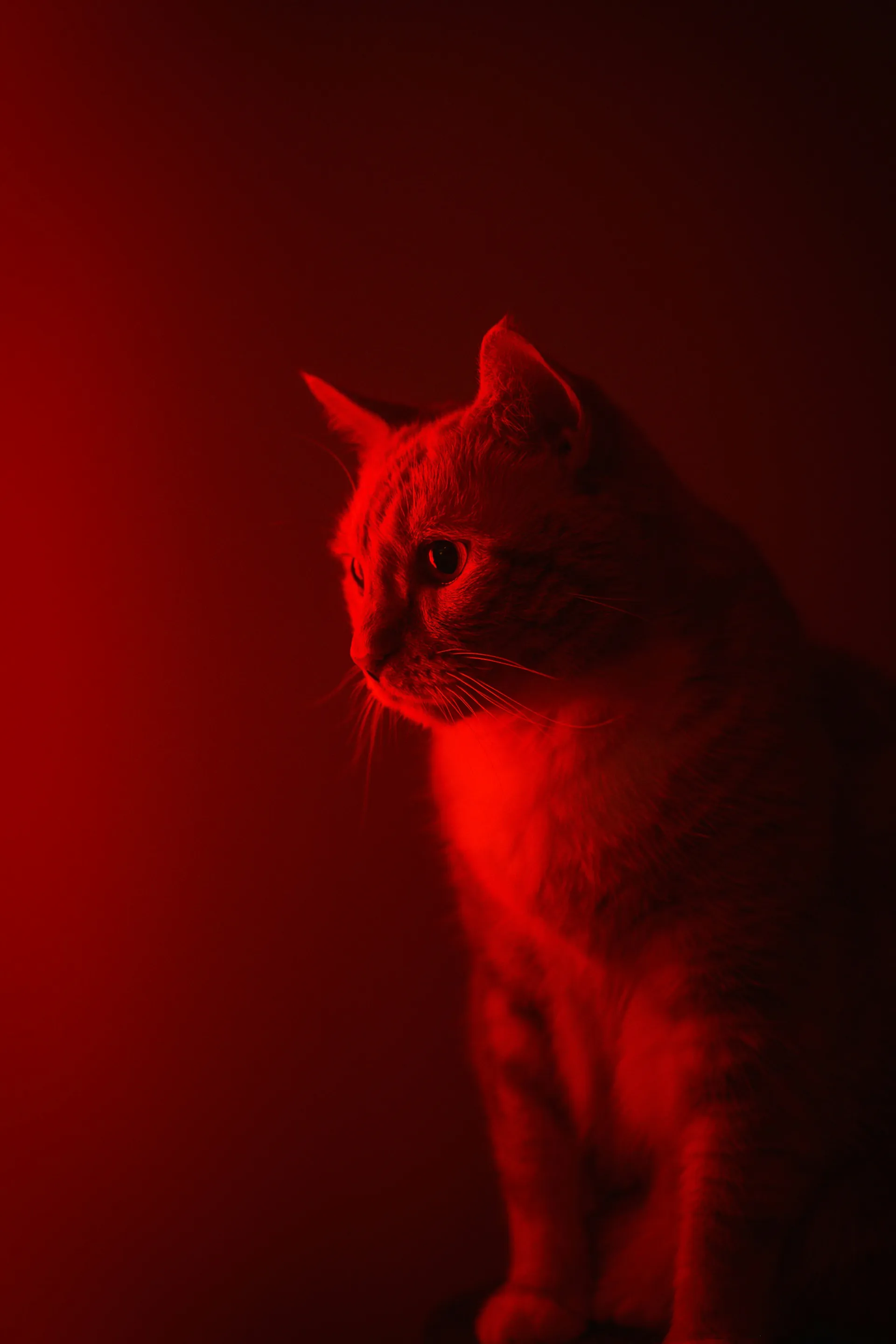
Treating Injuries and Enhancing Recovery
Red light therapy plays a significant role in treating acute injuries and enhancing the healing process in dogs and cats. By stimulating cellular activity and boosting ATP production, this therapy accelerates tissue repair after trauma such as sprains, muscle strains, and surgical wounds.
It also reduces inflammation and swelling, which are critical to minimizing pain and discomfort during the recovery phase. Veterinary clinics commonly use red and infrared light treatments to promote faster wound healing, improved skin regeneration, and overall recovery, helping pets regain mobility and health more quickly without relying solely on medications.
Managing Chronic Conditions
For pets living with chronic pain conditions such as osteoarthritis, hip dysplasia, or intervertebral disk disease, red light therapy offers a drug-free, non-invasive approach to pain management. Clinical studies have shown that consistent red light therapy sessions can reduce joint inflammation, ease stiffness, and improve range of motion, significantly enhancing the quality of life for affected dogs and cats.
Many veterinarians recommend incorporating these light therapy treatments alongside conventional therapies to reduce reliance on pain medications and improve long-term orthopedic health.
Preventative Health and Wellness
Beyond injury treatment and managing chronic conditions, red light therapy is increasingly used as a preventative health tool to support pets’ overall wellness. Regular sessions can promote healthier skin and coat by encouraging collagen production and improving blood circulation. This not only helps keep pets comfortable but can also support immune function and reduce the likelihood of injuries.
Some pet owners incorporate red light therapy as a complementary wellness treatment to maintain optimal muscle function, reduce fatigue, and support cognitive health in aging pets.
Veterinary Insights and Recommendations

When to Consider Red Light Therapy for Your Pet
Red light therapy is a safe and effective treatment option that veterinary professionals often recommend for a variety of conditions in dogs and cats. However, determining the right moment to start depends on your pet’s specific needs. This therapy is especially beneficial when your pet experiences chronic pain conditions like arthritis, soft tissue injuries, or slower wound healing. Additionally, it can serve as a helpful adjunct during post-surgery recovery to speed healing and reduce inflammation.
It’s essential to consult your veterinarian before beginning treatment, particularly if your pet has photosensitivity, seizure disorders, is pregnant, or has an active cancer diagnosis. These conditions require careful consideration due to potential contraindications, such as risks associated with direct eye exposure and theoretical concerns about stimulating tumor growth.
Choosing the Right Equipment and Protocol
Selecting the right red light therapy device and adhering to a proper treatment protocol are essential for achieving the best outcomes. Veterinary-grade therapy devices with specific wavelength ranges in the red and near-infrared spectrum are preferred for their proven efficacy and safety. For home use, devices that emit consistent low-level laser or LED light designed for pets can be effective, but it is important to follow veterinary guidance to ensure correct dosage, treatment duration, and frequency.
Typically, sessions range from 10 to 30 minutes, several times per week, adjusted according to your pet’s size and condition. Practicing safety measures—such as protecting your pet’s eyes from direct light and removing any metal collars to avoid burns—is also necessary to prevent side effects.
Consistency and proper monitoring during treatment will maximize benefits, helping your pet achieve pain relief, enhanced healing, and improved quality of life under professional supervision.
Conclusion: Integrating Red Light Therapy into Pet Healthcare
Red light therapy is a safe, non-invasive, and drug-free solution that effectively manages pain, reduces inflammation, and accelerates healing in both dogs and cats. As a complementary treatment, it plays a vital role in supporting recovery from injuries, improving the management of chronic conditions, and enhancing overall pet wellness. Before starting red light therapy, it’s essential to consult your veterinarian to create a tailored protocol suited to your pet’s unique needs.
By incorporating this innovative therapy into your pet’s healthcare routine, you can significantly improve their quality of life. This will help them stay healthier, happier, and more comfortable as they age.
FAQ
What is red light therapy and how does it work for dogs and cats?
Red light therapy, also known as photobiomodulation, uses red and near-infrared wavelengths to penetrate the skin and stimulate mitochondria. This process increases cellular energy (ATP), reduces inflammation, and enhances blood flow. For dogs and cats, it supports tissue healing, provides pain relief, and decreases swelling by improving cellular function and lowering inflammatory markers—all without side effects.
What conditions in dogs and cats can red light therapy effectively treat?
Red light therapy is highly effective for addressing joint pain, arthritis, muscle strains, wounds, inflammation, and skin conditions in pets. It helps relieve pain, reduces inflammation, and accelerates the healing of soft tissue injuries and surgical incisions. Additionally, it is beneficial for managing chronic conditions such as osteoarthritis and ligament injuries, as well as for wound care and various dermatological issues.
Are there any risks or side effects associated with red light therapy for pets?
Red light therapy is generally safe for pets, with minimal side effects. These may include mild skin irritation or temporary redness. However, there are some risks, such as potential eye damage from direct exposure to the light. Caution is advised for pets with active cancers, pregnancy, seizures, or photosensitivity.
Veterinary guidance is essential to ensure the safe use of red light therapy for your pet.
How often should red light therapy be administered to see benefits in dogs and cats?
For optimal results, red light therapy should be administered 3 to 5 times per week. Sessions typically start at 2-5 minutes and gradually increase to 10-15 minutes as tolerated. Cats often require shorter sessions, around 3-5 minutes, about 4 times per week.
Consistency over several weeks is key to achieving noticeable benefits. Always begin with gentle sessions and consult a veterinarian before starting treatment.


